

المقالات الطبية
UroLift Procedure for Enlarged Prostate: How Does It Work?

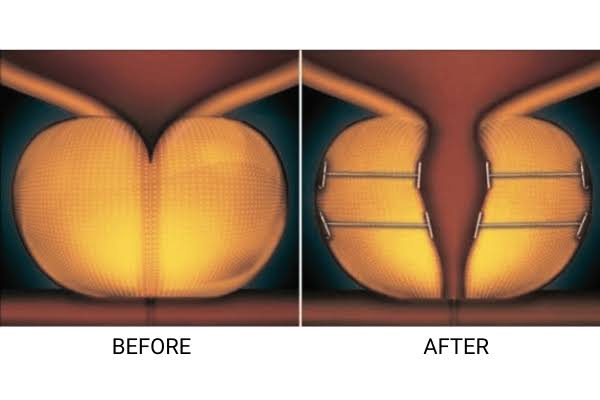
The UroLift procedure is a modern, minimally invasive treatment option for the symptoms of benign prostatic hyperplasia (BPH), particularly for men seeking an approach that can improve urination while preserving sexual function. Unlike some prostate surgeries that remove or cauterize part of the prostate tissue, the UroLift system uses small implants to pull the enlarged prostate tissue away from the urethra, helping relieve the obstruction.
What Is the UroLift Procedure?
The UroLift procedure is a medical treatment known as Prostatic Urethral Lift (PUL). It is used to relieve urinary symptoms caused by benign prostatic hyperplasia.
As the prostate enlarges, the excess tissue can compress the urethra, leading to symptoms such as weak urine flow, difficulty starting urination, interrupted urine flow, or frequent urination.
Instead of removing the enlarged tissue, the physician uses a specialized device to place small implants that hold portions of the prostate away from the urethra. This helps open the urinary passage and improve urine flow.
Who Are Good Candidates for the UroLift Procedure?
The UroLift system is particularly suitable for men with mild to moderate benign prostatic hyperplasia (BPH) whose persistent urinary symptoms cause discomfort and affect their daily lives. Several key factors may make a man a suitable candidate for the procedure:
- Experiencing bothersome urinary symptoms: Men with persistent symptoms related to an enlarged prostate may benefit from UroLift. These symptoms include:
- Frequent urination, especially at night.
- Difficulty starting urination or maintaining urine flow.
- Weak or interrupted urine flow.
- A feeling that the bladder has not been completely emptied.
- When these symptoms negatively affect quality of life, UroLift may help relieve them and improve urination.
- A desire to avoid medication or surgery: Many men begin BPH treatment with medications, but these may cause side effects in some patients, such as dizziness, reduced sexual desire, and fatigue. UroLift may therefore be an appropriate option for men who wish to avoid long-term medication or the risks and recovery period associated with some surgical procedures.
- Prostate size and anatomy: UroLift is generally most effective in men whose prostate measures between 30 and 80 grams. It is also more suitable for men who do not have significant enlargement of the median lobe of the prostate, as this type of enlargement may reduce the effectiveness of the procedure.
How Is the UroLift Procedure Performed?
The procedure does not require an abdominal surgical incision. Instead, the physician reaches the prostate through the urethra using a specialized device.
During the procedure:
- The physician inserts the UroLift delivery device through the urethra until it reaches the portion of the prostate surrounding the urinary passage.
- A small needle is used to place an implant into the prostate tissue.
- The implant holds the enlarged tissue away from the urethra.
- Several implants may be placed depending on the size of the prostate and the location and severity of the obstruction.
- Moving the tissue away from the urethra widens the passage and helps improve urine flow.
The fundamental principle of UroLift is to open the urethral passage without cutting or removing prostate tissue.
What Are the Main Benefits of UroLift?
The UroLift system has several characteristics that make it an attractive option for some patients, including:
- A minimally invasive procedure compared with traditional prostate surgeries.
- It does not require removal or cauterization of prostate tissue.
- In some cases, it can be performed as an outpatient or same-day procedure.
- It can help relieve BPH symptoms and improve quality of life.
- It may improve urinary flow.
- It has a lower likelihood of affecting sexual function compared with some other BPH procedures.
Does UroLift Affect Erectile or Ejaculatory Function?
One of the main reasons some men consider UroLift is its limited impact on sexual function.
Because the procedure does not involve removing or cauterizing prostate tissue, the NICE committee found no evidence that UroLift increases the risk of sexual dysfunction. Evidence also suggests that preservation of sexual function is an important advantage of the procedure compared with some other treatments for BPH.
However, this does not mean that every patient will experience the same outcome. Results can vary depending on the individual’s overall health, the characteristics of the prostate enlargement, and other factors that affect sexual function.
Is UroLift Better Than HoLEP?
There is no single procedure that is best for every man with BPH. The choice depends on factors such as prostate size, symptom severity, the nature of the obstruction, and the patient’s preferences.
Evidence suggests that HoLEP may provide greater improvement in some measures of urinary symptoms and urinary flow compared with UroLift, while UroLift is less invasive and has a greater potential for preserving sexual function.
Therefore, UroLift may be particularly suitable for men who place a high priority on preserving sexual function and prefer a less invasive procedure. In contrast, procedures such as HoLEP may be more appropriate in certain cases, particularly when the prostate is large or the obstruction is severe.
What Are the Potential Side Effects of UroLift?
As with any medical procedure, some side effects may occur after UroLift, and these are often temporary.
Possible side effects include:
- Burning or pain during urination.
- Blood in the urine.
- Increased urinary urgency.
- Pelvic pain or discomfort.
- Temporary difficulty controlling the urge to urinate.
- Urinary tract infection in some cases.
Disadvantages of the UroLift Procedure
Although UroLift is a minimally invasive procedure that can preserve sexual function in many patients, it does not remove the enlarged prostate tissue. Instead, the implants move the enlarged tissue away from the urethra and open the urinary passage, but they do not eliminate the underlying prostate enlargement.
For this reason, the effects of UroLift may not be permanent in every patient. Symptoms may return over time, and some patients may eventually require another treatment or procedure. Studies with several years of follow-up have shown that some patients require retreatment after UroLift, which is an important consideration when comparing it with procedures that remove a substantial amount of enlarged prostate tissue, such as HoLEP.
UroLift may also not be the most appropriate option for men with very large prostates or severe urinary obstruction. Suitability depends on the size, shape, and location of the enlarged prostate tissue, as well as the nature of the obstruction, rather than on symptoms alone.
Read More: Nocturia in Men: Causes and When Does It Require Treatment?
References: